

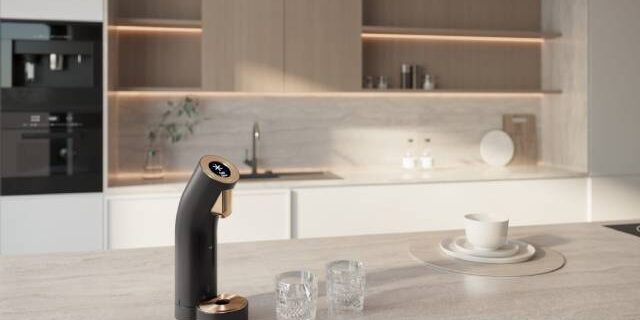
Tankless water dispensers are designed to be cleaner, smarter and more convenient than traditional bottled systems, helping businesses improve kitchen workflow by reducing clutter and manual handling. But “low maintenance” does not mean “no maintenance”. Even the most advanced water dispenser still handles moisture, heat and frequent contact, all of which create opportunities for residue, scale and bacteria if left unchecked.
The good news? Keeping a tankless water dispenser clean does not require complicated routines or harsh chemicals. The most effective cleaning habits are simple, preventative and easy to repeat.
Below are five useful cleaning hacks that fit real-life use, whether at home or in a shared workplace.
Hack 1: The 60-Second End-Of-Day Wipe Habit
The most effective cleaning routine is the one people actually stick to. Instead of relying only on monthly deep cleans, introduce a daily habit that takes less than a minute.
At the end of each day, wipe down the dispensing area, buttons and nozzle zone with a clean, damp cloth. These are the most frequently touched surfaces and the most common entry points for contaminants. Over time, even clean hands can leave behind oils and moisture that encourage residue build-up.
This quick wipe prevents grime from hardening and spreading. It also dramatically reduces how intensive your deeper cleans need to be later. In shared spaces, this habit alone can prevent most hygiene issues before they start.
Hack 2: Flush The First Glass Every Morning
Tankless systems do not store water, but small amounts of moisture can still remain in dispensing pathways overnight. A simple daily flush clears it out.
Each morning, dispense and discard the first glass of water before normal use. This removes any stagnant moisture and refreshes the internal flow path, ensuring the water that follows is as fresh as possible.
It’s a zero-effort habit that quietly improves water quality. In offices or households with early-morning use, it’s an easy way to start the day with cleaner, better-tasting water.
Hack 3: Steam Clean Tight Areas Without Chemicals
Some areas around nozzles and dispensing outlets are awkward to clean, especially when residue has dried or hardened. Instead of reaching for stronger cleaners, use steam.
Boil a kettle and allow the steam to rise near the nozzle area, without direct contact. The steam gently loosens mineral traces and softens residue, making it easy to wipe away with a soft cloth.
This method is especially useful between scheduled deep cleans. It’s chemical-free, safe for most surfaces and effective in areas where cloths or brushes struggle to reach.
Hack 4: Use Light Colours To Spot Dirt Early
Cleaning is easier when problems are visible early. One overlooked trick is using colour to your advantage.
If your dispenser has a removable drip tray or liner, choose a light-coloured option where possible. Residue, mineral stains and mould are far more noticeable on lighter surfaces, prompting quicker action before build-up becomes stubborn.
This visual cue works particularly well in offices and shared environments. When dirt is easy to see, it’s far more likely to be cleaned promptly.
Hack 5: Treat Filters As Active Cleaning Tools
Filters are often treated as spare parts or something to replace only when performance drops. In reality, filters are active cleaning components.
Old or overdue filters allow more minerals and impurities to pass through, increasing residue on internal contact points and dispensing areas. This leads to more frequent cleaning and greater wear over time.
Following the recommended filter replacement schedule keeps internal pathways cleaner, reduces scale formation and makes overall maintenance easier. It’s one of the most effective ways to reduce cleaning workload without lifting a cloth.
Why These Hacks Work For Tankless Systems
Tankless water dispensers already remove many risks associated with bottled systems, such as stagnant storage water. However, they are still subject to real-world use: hands, cups, humidity and environmental exposure.
Most hygiene issues do not come from the water supply itself. They come from daily interaction. These hacks focus on:
- High-contact areas rather than internal tanks
- Prevention instead of constant deep cleaning
- Small habits that are easy to maintain
By addressing how people actually use the dispenser, these methods stay effective without becoming burdensome.
Why A Clean Dispenser Matters
A clean water dispenser is not just about appearance. Residue and microbial build-up can subtly affect water taste, dispensing performance and user confidence.
In shared environments, hygiene also becomes a trust issue. People are far more comfortable using a dispenser that looks well cared for. Regular, visible maintenance reassures users that water quality is taken seriously.
From a system perspective, consistent cleaning protects components, reduces wear and supports long-term performance.
Conclusion
Keeping a tankless water dispenser clean does not require complicated routines or aggressive products. The most effective approach combines small daily habits, smart preventative measures and timely filter maintenance.
By adopting these practical hacks, you reduce build-up before it starts, simplify long-term care and ensure every glass remains fresh and enjoyable.
For more expert insights on modern, tankless water solutions and long-term care best practices, explore Wells Singapore, your trusted source for clean, refined drinking water in Singapore.
