

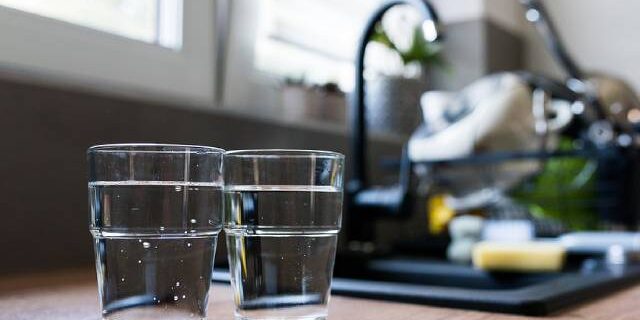
Humanity’s impact on the environment is an increasingly pressing concern, prompting many around the world to seek ways to mitigate the harmful effects of modern living. At the most fundamental level, everyday households are looking for ways to live more sustainably. Without a doubt, the kitchen is one of the most impactful places to start in this endeavour. From food preparation to daily hydration, it is a space where resources such as water, energy, and packaging are used constantly, often without much thought.
The good news is that building a more eco-friendly kitchen does not require a complete lifestyle overhaul. In many cases, small, practical changes can lead to meaningful results over time. One such change is rethinking how to access and use drinking water, which is undoubtedly one of the most vital resources we have. Water dispensers that provide potable water offer a simple, accessible way to reduce waste, improve efficiency, and encourage more mindful and sustainable habits, all without disrupting one’s routine.
Why Sustainability Matters in the Kitchen
Kitchens play a significant role in household environmental impact. Inefficient practices, many of which are easy to overlook, often go unnoticed and contribute to larger issues over time. Food waste is one of the most pressing concerns, accounting for around 24% of solid landfill waste. While some of these results are from spoilage, a large portion is linked to over-preparation and poor resource management in both domestic and commercial kitchens.
Energy use is another factor. Appliances such as kettles, ovens, and refrigerators are essential, but inefficient usage, such as repeatedly boiling excess water quickly, adds up in both energy consumption and cost. Equally important is water usage, as many households use more water than necessary when cooking, rinsing, or preparing ingredients. Leaving taps running or heating more water than required may seem minor, but these habits contribute to unnecessary waste over time.
On top of that, kitchens are a major source of single-use plastic waste, particularly from bottled water and food packaging. These materials often have short lifespans but long-term environmental consequences. The reality is that kitchens do not have to operate this way. With a few intentional changes, it is possible to reduce waste, conserve resources, and create a more sustainable daily routine.
How Water Dispensers Support Sustainable Kitchen Practices
Reducing Reliance on Single-Use Plastics
One of the most immediate benefits of using a water dispenser is the reduced need for bottled water. Many households rely on bottled water for cooking and drinking due to convenience or perceived safety, but this comes with a significant environmental cost. Each plastic bottle goes through a resource-intensive lifecycle: raw material extraction, manufacturing, transportation, and disposal. Even with recycling, a large percentage still ends up in landfills or the natural environment.
Switching to a water dispenser connected to a refillable source or filtration system enables households to significantly cut down on this type of waste. It is a straightforward change that eliminates the need for constant repurchasing and disposal of plastic bottles.
Reducing “Convenience Waste” in Daily Habits
Another way water dispensers encourage better habits is by reducing what can be described as “convenience waste”—small, habitual inefficiencies that occur because something feels easier in the moment. For example, without a dispenser, people may:
- Grab a bottled drink instead of refilling a reusable one
- Boil a full kettle multiple times a day out of habit
- Let tap water run while waiting for it to reach a preferred temperature
A water dispenser simplifies access to clean, ready-to-drink water, removing the need for these workarounds. When hot or cold water is instantly available, people are less likely to default to wasteful alternatives. This does not mean users suddenly become highly precise in their water usage, but it does reduce the friction involved in making more sustainable choices. Over time, convenience begins to work in favour of sustainability rather than against it.
Improving Energy Efficiency in the Kitchen
Heating water is one of the most frequent energy-consuming tasks in a kitchen. Traditional kettles heat an entire volume of water at once, even if only a portion is needed. Repeated use throughout the day can lead to unnecessary energy consumption.
Many modern water dispensers take a more efficient approach. Some use tankless or on-demand heating systems that heat water only when required, reducing standby energy loss. Others allow users to select specific temperature settings, avoiding the need to boil water unnecessarily. In practical terms, a frequently used kettle may consume around 2–3 kWh per day, while an energy-efficient dispenser can use significantly less for a similar output, depending on usage patterns.
That said, not all dispensers are equally efficient. Models with large storage tanks that continuously maintain water temperature may offset some of these benefits. Choosing a unit with energy-saving features, such as adjustable temperatures or automatic shut-off, can make a noticeable difference.
Choosing the Right Water Dispenser for Sustainability
Not all water dispensers deliver the same environmental benefits. In fact, the wrong choice can increase energy consumption or offset the sustainability gains a household is aiming for. To make a meaningful impact, it is important to look beyond basic features and understand how different designs and specifications affect everyday use.
1. Start with the Right Type of Dispenser
Top-loading dispensers are typically more affordable but may be less efficient, particularly older models that run continuously to maintain temperature.
- Bottom-loading models tend to have better insulation and improved internal components, which can lead to lower energy consumption over time.
- Point-of-use (plumbed-in) dispensers connect directly to the home’s water supply and eliminate the need for bottled water entirely, making them one of the most sustainable options available.
- Tankless or instant-heating models heat water only when needed, significantly reducing standby energy waste.
For most households, the best balance is either a bottom-loading model with energy-saving features or a tankless system if maximum efficiency is the priority.
2. Focus on Energy Behaviour
Many buyers focus on whether a dispenser offers core features such as temperature control, but the more important question is how it delivers those temperatures.
- Tank-based systems keep water hot or cold continuously, increasing standby energy consumption
- On-demand systems activate only when dispensing, using energy more efficiently
- Eco modes or timers reduce power usage during low-demand periods (e.g. overnight)
Energy-certified models can make a noticeable difference. For instance, certified units may use around 20% less energy than standard models, leading to both cost and environmental savings over time. A practical tip: for homes that only use hot water occasionally, a full-time heating tank may be unnecessary.
3. Match Capacity and Features to Actual Usage
One of the most overlooked factors in sustainability is oversizing. Large-capacity dispensers may seem convenient, but require more energy to maintain temperature. Meanwhile, smaller or countertop units often consume less power and are sufficient for individuals or small families. High-usage households may benefit from larger units, but only if the demand justifies it.
Choosing a model that matches daily habits helps prevent unnecessary energy waste. A dispenser that is too large or overly feature-heavy for one’s needs can quietly consume more resources than expected.
4. Consider the Water Source and Filtration System
Where the home’s water supply comes from plays a significant role in overall sustainability. Bottled systems still involve plastic production and transportation to some extent, even if the bottles are reused.
In contrast, plumbed-in systems with filtration eliminate the need for delivery and reduce long-term waste. If the goal is to minimise environmental impact, reducing dependence on delivered water is one of the most effective steps one can take.
5. Pay Attention to Build Quality and Materials
Sustainability is not just about daily usage but also about how long a product lasts. Durable materials (e.g. stainless steel tanks) resist wear and contamination better than plastic components, and well-built units are less likely to require early replacement.
Some models also use BPA-free or recyclable materials, reducing long-term environmental impact. A cheaper unit that needs replacing every few years may ultimately generate more waste than a slightly more expensive, longer-lasting one.
6. Look for Practical Features That Reduce Everyday Waste
Some features may seem minor, but they can significantly influence how sustainably the dispenser is used:
- Adjustable temperature settings help avoid unnecessary boiling
- Auto shut-off or sleep modes reduce idle energy consumption
- Touchless or controlled dispensing helps prevent accidental overuse
- Clear indicators (heating/cooling status) reduce repeated or unnecessary usage
Beyond improved convenience, these features help align everyday behaviour with more efficient resource use.
7. Don’t Ignore Real-World Usage Patterns
Finally, the most sustainable option is one that fits naturally into one’s routine. Even the most energy-efficient dispenser can become wasteful if it is left running continuously when not needed, if features remain active but are rarely used, or if it is inconvenient enough that users revert to bottled drinks. On the other hand, a well-chosen, easy-to-use model encourages consistent use, and that is where the real environmental benefits come from.
Conclusion
Creating a more sustainable kitchen does not have to be complicated. In many cases, it begins with rethinking everyday habits and making small adjustments that are easy to maintain. Water dispensers offer a practical way to support this shift, as they reduce reliance on single-use plastics, encourage more mindful water usage, and improve energy efficiency. Together, these benefits help households move towards more responsible consumption patterns.
While they are not a complete solution on their own, they represent a meaningful step in the right direction, one that fits naturally into daily life and contributes to a greener, more efficient kitchen over time.
Looking to bring both style and substance into your hydration routine? Wells Singapore delivers sophisticated water dispensers that blend innovation with everyday convenience. Visit our website to find the perfect solution and redefine how you enjoy water at home or in the office.
