

Every home has that one appliance nobody thinks about until it stops working properly. For many Singapore households, the water dispenser has quietly become exactly that. It sits in the kitchen corner, gets used dozens of times a day, and is expected to just work. Few people ever stop to ask where the technology behind it actually comes from, or why some brands seem to perform so much more reliably than others.
That question leads straight to Korea, a country long recognised for precision engineering in electronics and appliances. Wells has built its reputation on bringing that same standard of craftsmanship to water purification, adapting it thoughtfully for the way Singaporean families actually live. It is also why so many people now consider a water dispenser the best housewarming gift for friends moving into a new flat. This is the story of how that engineering heritage found its way into homes across the island, one water purifier at a time.
Korea’s Long History with Water Purification Technology
South Korea has invested heavily in water treatment innovation for decades, driven partly by strict domestic regulations and partly by a culture that places a high value on hygiene and health. Korean manufacturers were early adopters of multi-stage filtration systems, and many of the filtration standards used across Asia today trace their roots back to research done in Korean laboratories.
Wells grew out of this environment. Korean engineers never treated water purification as a simple filtering task. They approached it as a holistic system involving temperature control, filter longevity, tank hygiene, and user safety all working together. That mindset is baked into the design philosophy Wells brings to Singapore.
From Korean Factories to Singapore Kitchens
Bringing a product built for one market into another is never a straightforward copy-paste exercise. Singapore’s climate, water supply characteristics, and living spaces are different from Korea’s, and Wells has had to adapt accordingly.
A few of the adjustments worth knowing about:
- Humidity resistance – Singapore’s tropical climate demands components that resist mould and bacterial growth far more aggressively than temperate climates require.
- Compact sizing – HDB flats and condominium kitchens are typically smaller than Korean apartments, so many models are designed with a slimmer footprint in mind.
- Local water profile testing – Filtration cartridges are calibrated for local conditions.
- Voltage and safety certification – every unit sold locally goes through Singapore-specific electrical safety testing before it reaches a customer’s home.
This localisation work is part of why Wells water purifiers feel like they genuinely belong in a Singapore home, not something simply imported and left unchanged.
What Sets Korean Engineering Apart
Ask anyone who has used a well-built Korean appliance and they will usually mention the same thing: attention to small details that most people never consciously notice. With a water dispenser, that shows up in things like how quietly the compressor runs, how quickly the unit reaches the desired temperature, and how easy the tank is to clean during routine maintenance.
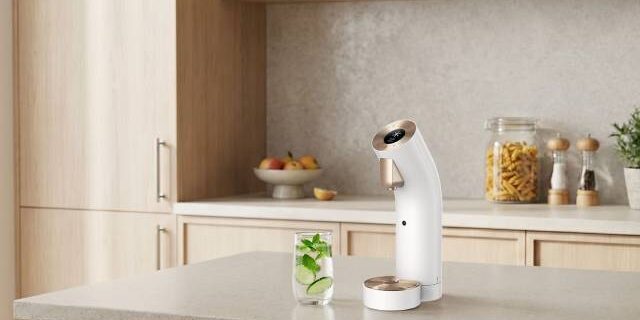
Korean design culture also tends to favour minimalism without sacrificing function, which explains why many Wells units look understated on a countertop yet still deliver instant hot and cold water at the touch of a button. For households that entertain guests often, this combination of quiet performance and clean aesthetics has made the water dispenser a genuinely popular pick for anyone setting up a new home.
Filtration That Does More Than Just Filter
A water purifier is only as good as the filtration stages inside it. Wells typically uses a 9-step nanofiltration process that removes sediment, chlorine, heavy metals, and other contaminants. Some models add a final polishing stage that improves taste and odour, which is often the difference people notice most when they switch from bottled water to a home dispenser.
Filter replacement schedules are usually built around Singapore’s usage patterns rather than a generic global average, since a household running the machine constantly throughout a hot, humid day will typically need servicing more frequently than one used sparingly.
Why This Makes a Difference for Everyday Singapore Households
Most people do not think in terms of filtration technology when they are deciding on a water dispenser. They think about convenience, safety for their children, and whether the unit will still work properly in three years’ time without constant repairs. That practical concern is precisely what good engineering is meant to solve quietly in the background.
A well-engineered water purifier reduces the need for bottled water deliveries, cuts down on plastic waste at home, and gives parents peace of mind that what comes out of the tap has been properly treated before their family drinks it. These are not abstract benefits. They show up in small everyday moments, like filling a bottle before school or making a cup of tea without waiting for the kettle.
There is also a quieter financial angle that many households only appreciate after switching. Bottled water adds up over months and years, and so does the effort of hauling heavy packs up from the lift lobby. A dispenser that sits on the counter and delivers filtered water on demand removes that recurring chore entirely, which is a small thing on any given day but a noticeable change once it becomes part of the daily routine.
A Few Questions Singaporeans Often Ask
Does a Korean-engineered unit need special maintenance? Not particularly. Servicing schedules are designed to fit local usage patterns, and most maintenance is handled through routine filter changes rather than anything technically complex.
Does a water dispenser make more sense than bottled water? For most households, yes, particularly once the convenience of instant hot and cold water and the reduction in plastic bottles are factored in over time.
Can these units handle Singapore’s hot and humid conditions? Yes. Components are selected and tested specifically for tropical humidity, which is one of the areas where Korean engineering standards tend to exceed generic international benchmarks.
Bringing the Story Home
Understanding where a product comes from often changes how people feel about using it every day. Knowing that a water purifier reflects decades of Korean engineering discipline, carefully adapted for Singapore’s climate and homes, adds a layer of reassurance that goes beyond marketing claims.
If you are exploring options for your own home, or looking for a thoughtful gift for someone moving into a new place, Wells Singapore offers a range of units built on this engineering heritage. Visit Wells Singapore to see which model fits your household best.
