

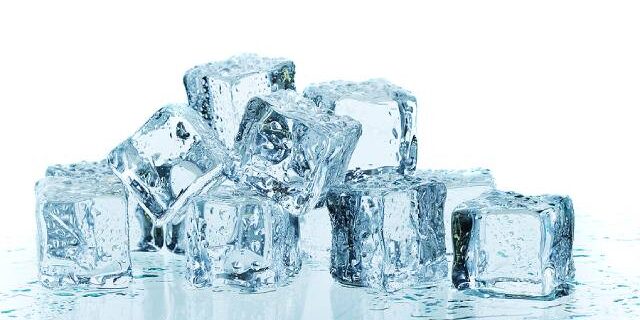
Ice cubes all look the same once they land in your glass, but where they come from makes a bigger difference than most people realise. Some households swear by the ice maker built into their fridge, while others rely on a countertop or built-in water purifier to make their cubes. Both promise convenience, but only one tends to win when hygiene is put under the microscope.
If you have ever pulled out an ice tray from the freezer drawer and caught a faint whiff of last week’s leftovers, you already know that fridge ice is not always as pristine as it looks. Understanding how each system actually works, and where bacteria or odours can creep in, helps you make a more informed choice for your home.
How Fridge Ice Makers Work
Most fridge ice makers pull water from a line connected to your home’s plumbing, run it through an internal filter (if one exists), then freeze it in a tray inside the freezer compartment. The ice then drops into a storage bin, where it usually sits for hours or even days before you scoop it out.
This storage bin is where things can go wrong. Freezer compartments are shared spaces. Raw meat, seafood, and other frozen goods sit close by, and odours travel more easily than people expect in a sealed, cold environment. Ice bins are also rarely cleaned, since most people assume freezing temperatures automatically prevent contamination.
- Ice bins can develop a slimy biofilm if not cleaned regularly
- Internal filters in fridges are often forgotten and go unchanged for years
- Odours from strong-smelling frozen food can transfer to stored ice
How a Water Purifier Makes Ice
A water purifier, on the other hand, filters water at the point of dispensing rather than relying on a single internal filter buried inside a fridge unit. Many modern systems use multi-stage filtration, removing sediment, chlorine, and other impurities before the water even reaches the ice tray or dispensing point.
Because a water purifier is a dedicated appliance, it does not share space with raw food or frozen groceries. There is no freezer odour to worry about, and the filtration stages are usually easier to monitor, since most units display a filter replacement indicator. This transparency makes it simpler for households to keep on top of hygiene without having to remember or guess.
Some newer units, such as the Wells Ice One, combine both water dispensing and ice-making functions into a single compact appliance, which cuts down on the number of separate machines competing for kitchen counter space.
Comparing the Two Side by Side
| Factor | Fridge Ice Maker | Water Purifier with Ice Function |
| Filtration | Basic, single-stage (if present) | Often multi-stage |
| Storage environment | Shared freezer space | Dedicated appliance |
| Odour risk | Higher, due to nearby frozen food | Lower |
| Maintenance visibility | Filters easily forgotten | Usually has clear indicators |
| Cleaning frequency needed | Ice bin needs regular cleaning | Simpler upkeep routine |
Neither system is entirely maintenance-free. A water purifier still needs its filters changed on schedule, and its ice compartment benefits from the occasional wipe-down. The difference lies in how easy that maintenance is to keep up with, and how much room there is for bacteria to build up unnoticed.
Why Filtration Quality Makes a Real Difference
A fridge ice maker filter, when it exists at all, tends to be a smaller, less robust component compared to what you find in a standalone water purifier.
Multi-stage filtration in a purpose-built water dispenser typically targets a broader range of contaminants, including chlorine taste and odour, sediment, and in some cases heavy metals, depending on the filter cartridge used. For families with young children or anyone particularly sensitive to water quality, this extra layer of filtration before the water even freezes can offer more peace of mind.
A Few Practical Habits Either Way
Regardless of which system your household uses, a handful of simple habits go a long way in keeping ice clean:
- Empty and wash ice bins or trays at least once a month
- Replace filters according to the manufacturer’s schedule, not just when performance drops
- Avoid storing ice next to strong-smelling frozen items
- Wipe down the ice dispensing chute or scoop area periodically
Small, consistent habits like these tend to matter far more than which brand of appliance sits in your kitchen.
Making the Right Choice for Your Home
For households that already own a fridge with an ice maker, there is no need to panic. Keeping the bin clean and staying on top of filter changes goes a long way towards keeping ice safe to consume. But for anyone renovating their kitchen, moving into a new flat, or simply looking to upgrade their setup, a dedicated water purifier with an integrated ice function is worth considering as the cleaner option overall.
The separation from freezer odours, combined with more thorough filtration, gives it a practical edge for daily use. If you are exploring options for your own kitchen, take a look at what Wells Singapore has to offer and find a setup that fits both your space and your family’s needs.
