

Standing in the appliance aisle trying to figure out what your kitchen actually needs can feel oddly overwhelming. Water filter, water purifier, water dispenser: the terms get thrown around so interchangeably that most people just pick whichever one looks nicest and hope for the best. If you have ever wondered whether you are buying the right thing for your home, you are certainly not alone.
The good news is that once you understand what each device actually does, the decision becomes far simpler. These three terms describe different jobs, and knowing the distinction can save you money, hassle, and quite a bit of confusion down the line.
Let us break it down properly.
Water Filters: The Basic Clean-Up Crew
A water filter does exactly what the name suggests. It removes visible or physical impurities from your water, things like sediment, rust particles, chlorine taste, and odour. Most filters use activated carbon or a simple mesh system to trap these particles as water passes through.
Think of a filter as the first line of defence. It reduces chlorine taste and smell, and it catches the obvious stuff, but it typically does not eliminate microscopic contaminants like bacteria or heavy metals. This is why a basic filter jug or a simple tap attachment is often enough for households with municipal water that is already treated to a decent standard, such as in Singapore, but it may not offer the deeper protection some households want.
Water Purifiers: The Deep Clean
A water purifier goes several steps further. It is designed to remove or neutralise a much wider range of contaminants, including bacteria, viruses, heavy metals, and other microscopic impurities that a basic filter simply cannot catch. Purifiers often use technologies like reverse osmosis, UV sterilisation, or multi-stage filtration systems working together.
Here is a simple way to picture the difference:
- Water Filter: removes visible particles and reduces chlorine taste
- Water Purifier: removes microscopic contaminants and pathogens
- Result: purified water is generally considered safer for drinking
Purifiers are a common choice for households that want extra peace of mind, particularly families with young children or elderly family members. They tend to be more expensive than basic filters, but the added layer of protection is often the point.
Water Dispensers: The Delivery System
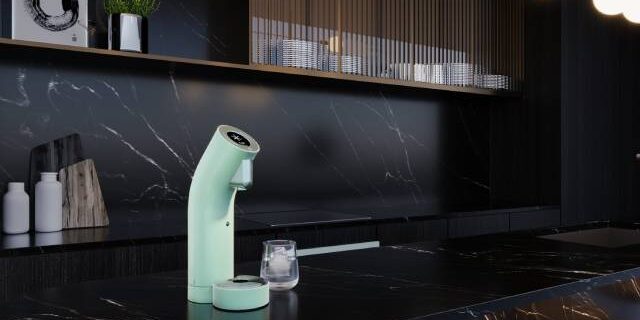
This is where things get a little different. A water dispenser is not primarily about cleaning water at all. It is about how the water gets to your cup. A water dispenser stores and delivers water at your chosen temperature, whether that is piping hot, room temperature, or chilled, at the press of a button or lever.
Many modern water dispensers actually combine filtration or purification technology within the unit itself, which is partly why the terms get muddled so often. A hot and cold water dispenser might filter the water as it passes through, purify it, and then dispense it instantly at your preferred temperature. So in many households today, the appliance sitting in the kitchen or pantry is doing all three jobs at once: filtering, purifying, and dispensing.
This convenience factor is a big reason water dispensers have become so popular in Singapore homes and offices. No more boiling kettles for tea, no more waiting for water to cool, and no more buying bottled water in bulk. It also fits neatly into eco-friendly kitchen habits, since fewer disposable bottles end up in the bin.
So Which One Do You Actually Need?
The honest answer is that it depends on your household and what you are trying to solve. If your water already tastes fine and you simply want to remove chlorine odour, a basic filter jug might do the job. If you are concerned about bacteria or heavy metals, a proper water purifier makes more sense.
If convenience is your priority, and you want hot water ready for your morning coffee without a kettle, or cold water on tap without constantly refilling bottles, a water dispenser that includes built-in filtration or purification technology is probably your best bet. It solves the safety question and the convenience question in one unit.
Here is a quick comparison to make things clearer:
| Feature | Water Filter | Water Purifier | Water Dispenser |
| Removes sediment and odour | Yes | Yes | Depends on model |
| Removes bacteria and viruses | No | Yes | Depends on model |
| Delivers water at set temperature | No | No | Yes |
| Convenience factor | Low | Moderate | High |
| Typical use case | Reducing chlorine taste and odour | Health and safety focus | All-in-one household solution |
A Few Things Worth Considering Before You Buy
Before settling on any option, take a moment to think about your household’s actual needs. A family of five drinking water throughout the day has very different requirements from a single professional who mostly drinks coffee and tea. Consider how often you will need to replace filter cartridges, how much counter or floor space you have, and whether hot water is something you genuinely use daily or just occasionally.
It also helps to check whether the unit requires plumbing installation or if it is a simpler standalone model that just needs a water source nearby. Some water dispensers connect directly to your home’s water supply for continuous filtration, while others use bottled water systems. Each has its pros and cons depending on your space and budget.
Maintenance is another factor people tend to overlook. Filters and purifiers both need regular cartridge replacements to keep performing properly, so it helps to ask upfront how often they need to be replaced and how much it costs over time. A cheaper unit upfront might end up costing more in maintenance down the road.
Making the Right Call for Your Home
Ultimately, water filters, water purifiers, and water dispensers all serve different purposes, and understanding this difference helps you avoid overspending on features you do not need, or underspending on protection you actually want. For many Singapore households, a combination unit that purifies and dispenses water at the right temperature offers the best balance of safety and everyday convenience.
If you are still unsure which setup suits your home best, the team at Wells Singapore can help you find a solution tailored to your household’s needs, from compact countertop water dispensers to full home systems.
